What Safety Features Should You Look for in a Miter Saw?
Look for a working blade guard, a reliable electric brake, secure work support and clear controls. These built-in features help manage specific hazards, but they do not replace eye and hearing protection or safe operating habits.
On this page (6 sections)
- Which built-in safety features should a miter saw have?
- Do built-in safeguards replace personal protective equipment?
- How can dust control help around a miter saw?
- Which operating habits support the saw's safety features?
- How should you compare safety features before buying?
- What is the key rule for miter saw safety features?
Look for a working blade guard, an electric brake, secure work support and accessible controls when comparing miter saw safety features. They help reduce particular risks, but they do not replace careful setup, safe handling or personal protective equipment.
A guard covers much of the blade when the saw is raised, while a brake can help stop the blade after you release the trigger. A clamp, fence and stable base help keep the workpiece from shifting during a cut.
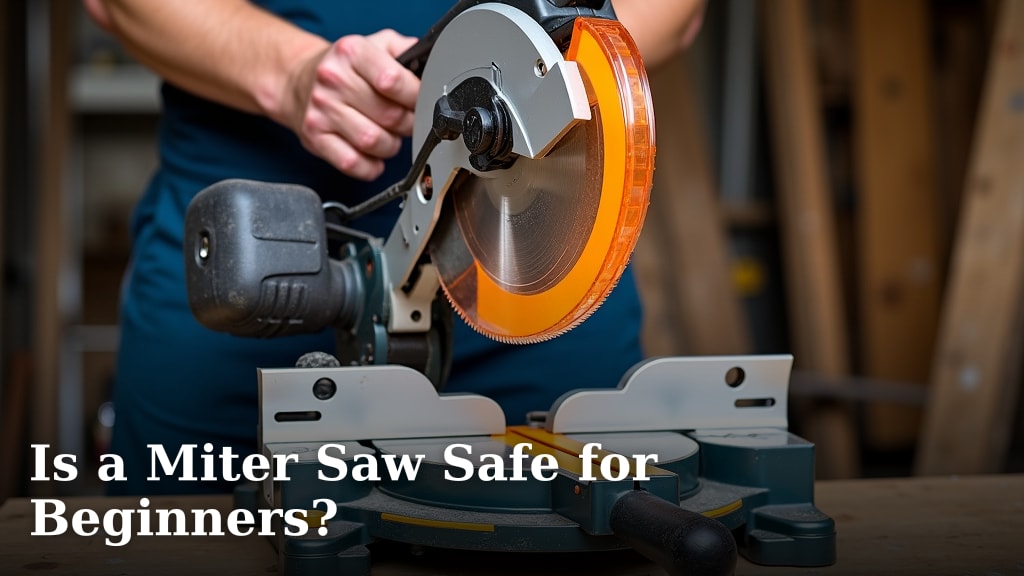
For a broader checklist of saw features, see what to look for in a miter saw. If you are new to the tool, our guide to whether a miter saw is safe for beginners explains how experience and setup affect safe use.
Which built-in safety features should a miter saw have?
A useful miter saw has a blade guard that moves freely, a brake if available, and a way to secure the workpiece. Check the manual to understand what each feature does on the specific model.
| Feature | What it helps with | What to check |
|---|---|---|
| Blade guard | Covers part of the blade when raised | It moves smoothly and returns over the blade |
| Electric brake | Helps stop the blade after trigger release | The manual describes its operation and limits |
| Fence and clamp | Support and hold the workpiece | The material sits flat and stays secure |
| Trigger lock or switch design | Helps reduce unintended activation | You can operate the control without awkward reaching |
| Base and miter lock | Keep the saw steady and angle setting in place | The saw is mounted securely and adjustments lock |
| Dust port | Connects a collector to reduce debris around the cut | The port fits your planned collection setup |
A feature name alone does not show how well it works. Inspect the saw, read its instructions and confirm that guards, switches and locks operate as intended before use.
How do you check a miter saw blade guard?
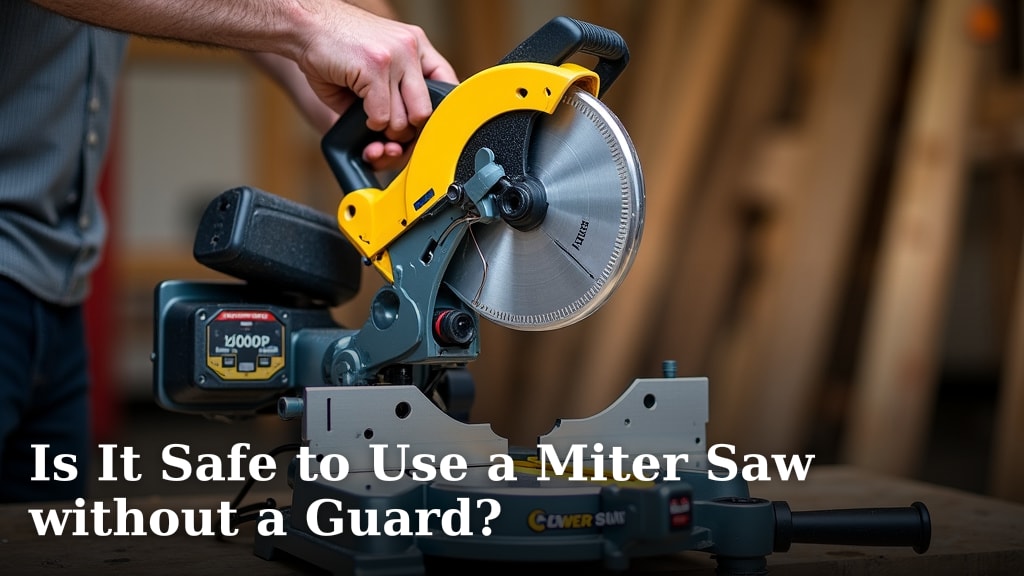
A guard should cover the blade when the saw is raised and move as designed during a cut. Do not use the saw if the guard is missing, damaged, stuck or altered.
With the saw unplugged, follow the manual's inspection steps. Check for binding, loose parts or damage, and make sure the guard returns to its covering position after moving it as the instructions allow.
Never put your hand near the blade to clear scraps while the saw is plugged in. For more detail about guard use, read is it safe to use a miter saw without a guard.
What does an electric brake do?
An electric brake helps slow the blade after you release the trigger. It is a useful feature, but the blade may continue moving briefly.
Wait for the blade to stop completely before raising the saw or moving cut pieces. A brake does not prevent kickback, hold the workpiece or protect you from reaching into the cutting area.
Check the manual for the saw's brake instructions and any maintenance guidance. If the blade takes longer than expected to stop or the brake behaves differently, stop and check the manufacturer's service advice.
Why do the fence and clamp matter?
The fence and clamp help keep the material in position during a cut. A shifting board can bind, pinch the blade or produce an inaccurate cut.
Set the workpiece flat against the table and fence, then secure it with the saw's clamp or another method the manual approves. Keep your hands outside the marked danger area and support long stock so it cannot tip.
A clamp is not a substitute for a stable saw base. Mount or place the saw as directed, and make sure its miter and bevel settings lock before starting.
Do built-in safeguards replace personal protective equipment?
No. A guard, brake and clamp do not protect every part of your body from chips, noise or dust.
Choose protective equipment for the material and task, and follow the saw manual.
Wear safety glasses or goggles and hearing protection suited to the noise level. Tie back long hair, avoid loose clothing and remove jewelry that could catch near moving parts.
Dust collection can reduce debris near the cut, but it may not capture every fine particle. Use the respiratory protection and ventilation recommended for the material, especially when cutting treated or engineered products.
Keep bystanders away from the cutting area. Do not wear gloves where they could catch in moving parts, and follow the manual's guidance for handling material.
How can dust control help around a miter saw?
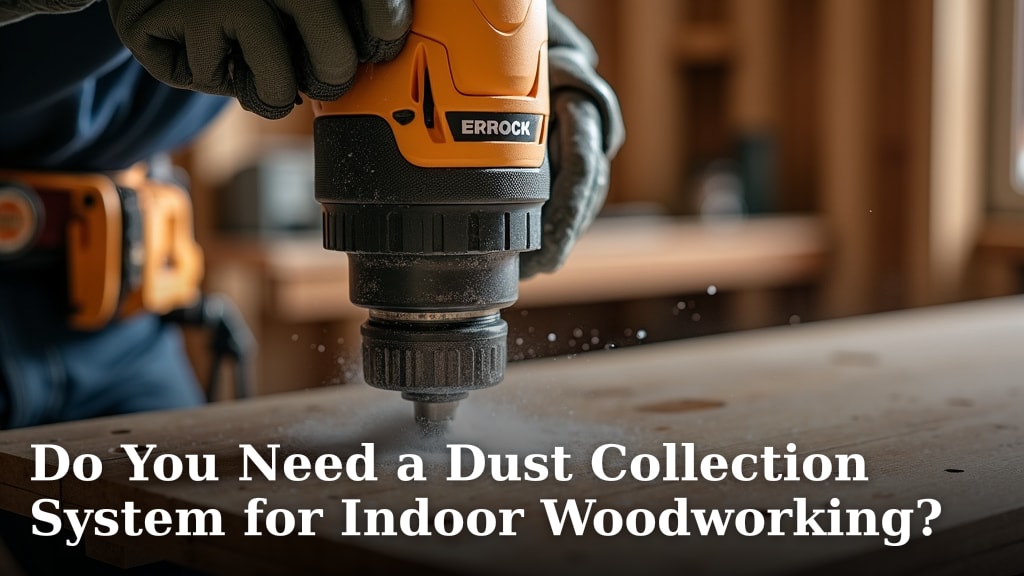
Dust control helps collect debris at the source and keeps the work area clearer. It does not remove the need to protect your eyes and breathing.
Connect a compatible collector to the saw's dust port if the saw and collector support it. Keep hoses clear of the blade path, and empty or maintain the collector as its instructions require.
An automatic vacuum switch can start a collector when a connected tool runs. The Ortis Automatic Vacuum Switch (B096VP13FP) supports miter saws and offers selectable vacuum modes, a 1-second start delay and adjustable shutoff delays.
The second Ortis Automatic Vacuum Switch (B0CBJ6QHKT) has two tool outlets, automatic, off and on modes, and a 7-second shutoff delay in auto mode.
The KTNNKG 120V Remote Outlet Automatic Vacuum Switch (B0DQPXV6GX) has a remote control and a 7-second vacuum shutoff delay in auto mode. Its vacuum outlet activates when the tool outlet is running and reaches its stated 30W threshold.
Check each switch's power limits and compatibility against your saw and vacuum before connecting them. A vacuum switch manages power to a collector; it is not a blade safeguard or a replacement for protective equipment.
Which operating habits support the saw's safety features?
Safe habits make the built-in features useful. Keep the work stable, hands clear and blade stopped before you handle cut pieces.
Before starting, check that the saw is secure, the guard moves freely, the blade is suitable and the workpiece is supported. Keep the cord and dust hose away from the blade path.
Start the saw as directed, let the blade reach operating speed, then make the cut without forcing it. Keep your hands outside the marked safe zone and do not reach across the blade.
After the cut, keep the saw head down until the blade stops. Then raise it and remove the offcut when it is safe to do so.
A cut that pushes material the wrong way can create added risk. Learn what reverse cutting on a miter saw means before trying an unfamiliar cutting method, and review how to use a miter saw safely for setup and handling steps.
How should you compare safety features before buying?
Compare how each feature works and whether it suits your work, rather than counting safety labels. Read the manual and check that the parts you need are present, accessible and easy to inspect.
Use this checklist while comparing models:
- Does the blade guard cover the blade when the saw is raised?
- Does the saw have an electric brake, and does its manual explain its behavior?
- Can you secure common workpiece sizes without putting a hand near the blade?
- Does the fence support the stock you plan to cut?
- Are the trigger and locks reachable while you maintain a stable stance?
- Can you connect dust collection without routing a hose or cord through the cut area?
- Is the saw stable when mounted or placed as instructed?
Look at the saw in person if possible, or check clear product photos and the manual before buying. A visible safety feature is useful only if you can use and maintain it as designed.
What is the key rule for miter saw safety features?
Choose a saw with a working guard, stable work support and controls you can operate comfortably, then use personal protective equipment and follow the manual for every cut. If the guard or another safeguard is damaged, stop using the saw until it is fixed.
For a visual overview of the parts and guard, see what a miter saw looks like. Use the guard and brake as layers of protection, while keeping your hands clear and waiting for the blade to stop.
Frequently asked questions
What is the most important safety feature on a miter saw?
A working blade guard is one of the most important built-in safeguards because it covers much of the blade when the saw is raised. Check that it moves as designed and returns over the blade after a cut.
The guard does not make it safe to reach near the blade or handle the saw carelessly.
Does an electric brake make a miter saw safe?
An electric brake can help stop the blade after you release the trigger, which may reduce the time the blade keeps spinning. It does not stop the blade instantly in every case, and you should wait for it to stop before raising the saw or moving the workpiece.
Do I still need safety glasses with a blade guard?
Yes. A blade guard and safety glasses serve different purposes.
The guard covers part of the blade, while glasses help shield your eyes from chips and dust.
Use eye protection and hearing protection suited to the work, and follow the saw manual's directions.
Can a dust collector replace a respirator?
No. Dust collection can capture some debris at the saw, but it does not guarantee clean air or remove every fine particle.
Use the dust controls recommended for your work and material, and wear suitable respiratory protection when needed.
Should I use a miter saw without its guard?
Don't use a miter saw with a missing, stuck or damaged guard. The guard is a built-in safeguard, and removing or disabling it exposes more of the blade.
If it does not move and return as the manual describes, stop using the saw until it is repaired.