Do You Need a Dust Mask When Using a Miter Saw?
On this page (8 sections)
- Protecting Your Lungs While Using a Miter Saw
- Why Wood Dust Is More Than Just Messy
- Choosing the Right Protection: Your Dust Mask Options
- Making Sure Your Mask Works: Proper Fit and Use
- Beyond the Mask: Other Dust Control Measures
- A Quick Checklist for Miter Saw Safety
- Conclusion
- Frequently Asked Questions
Yes, you absolutely need a dust mask when using a miter saw. Wood dust, especially when cutting MDF, can be a serious respiratory irritant and even a long-term health hazard. Protecting your lungs with a simple dust mask is a smart safety precaution for anyone working with this powerful tool. For anyone working with this powerful tool, consider if your miter saw needs to be bolted down for added stability.
Think of all that fine sawdust flying through the air. It doesn’t just make a mess. Breathing in wood dust repeatedly can lead to conditions like asthma or allergic reactions. Many experts agree that wearing a mask is a fundamental step in miter saw safety. Hearing protection matters too; learn about miter saw hearing protection. It’s a small effort for a big gain in protecting your long-term health.
- Yes, wear a dust mask with a miter saw.
- Wood dust can harm your lungs.
- A mask is a simple, effective safety measure.
- Protecting your respiratory health is important.
Let’s dig into why this is so important and what kind of mask is best for your miter saw projects.
Protecting Your Lungs While Using a Miter Saw
So, you’ve got a miter saw, ready to tackle those precise cuts for your next project. That’s fantastic! But before you power it up, let’s talk about something really important: your lungs. You might be wondering, “Do I really need a dust mask when using a miter saw?” The short answer is a resounding yes.
Think of all the fine wood particles that get kicked up. It’s not just about keeping your workshop clean. Breathing in that dust, especially over time, can cause real problems for your respiratory system. A simple dust mask is a small step that offers big protection.
Why Wood Dust Is More Than Just Messy
You probably already know that sawdust creates a mess. But the real concern is what happens when you breathe it in. Wood dust contains tiny particles that can irritate your airways. These aren’t just bothersome; they can lead to serious health issues down the road.
Many types of wood dust are classified as irritants. Some can even be carcinogenic, meaning they can increase your risk of developing cancer. This is particularly true for certain treated woods or manufactured materials like MDF (medium-density fiberboard).
The Health Risks You Might Not Know About
Exposure to wood dust over an extended period can lead to a range of respiratory problems. You might start with symptoms like a dry cough or itchy throat. But it can escalate to more serious conditions.
For instance, repeated exposure to fine wood dust can trigger or worsen asthma. It can also cause allergic reactions in some individuals. We found that some studies indicate a link between occupational wood dust exposure and an increased risk of nasal cancer (NCBI). This is why taking precautions is so vital.
What’s Actually in That Dust Cloud?
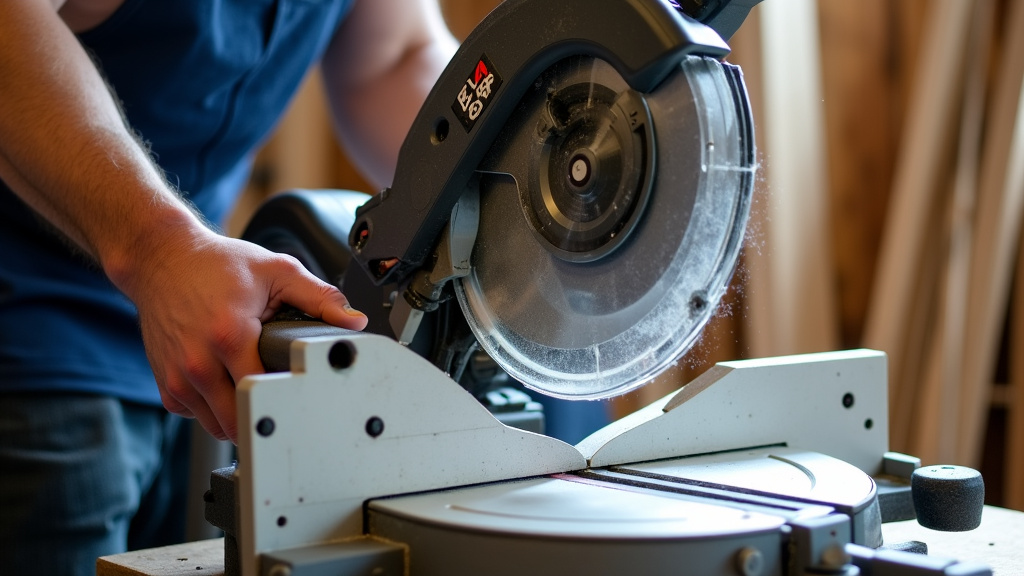
When your miter saw blade spins at high speed, it breaks down wood into microscopic particles. These particles become airborne and create that visible dust cloud. What makes up this cloud depends on what you’re cutting.
If you’re cutting natural wood, you’ll get wood fibers and resins. If you’re working with MDF, you’ll encounter wood dust mixed with the glues and resins used in its manufacturing. Treated lumber can contain chemicals that are also harmful when inhaled. So, the composition of the dust is quite varied and can be potentially hazardous.
Choosing the Right Protection: Your Dust Mask Options
Okay, so we know you need a mask. But what kind? Not all dust masks are created equal. For miter saw work, you need something that can effectively filter out those fine wood particles.
You’ll often see two main types: simple disposable dust masks and reusable respirators. For general woodworking with a miter saw, a good quality disposable mask is often sufficient. However, if you’re doing extensive work or dealing with particularly hazardous materials, a respirator might be a better choice.
Disposable Dust Masks: The Everyday Warrior
These are the masks you probably see most often. They are lightweight, inexpensive, and designed for single-use. For light to moderate miter saw use, a disposable mask rated for fine dust is your friend.
Look for masks labeled with an N95 rating. This means they filter at least 95 percent of airborne particles, including fine dust. They should fit snugly around your nose and mouth, creating a seal to prevent dust from sneaking in. Many guidelines from occupational safety experts recommend N95 respirators for protection against dust (CDC).
What Does “N95” Actually Mean?
The “N” stands for “Not resistant to oil.” This is perfect for woodworking, as you won’t typically encounter oily airborne particles. The “95” indicates the filtration efficiency – 95%. These masks are designed to capture very small particles, making them ideal for wood dust.
When you’re shopping, check the packaging carefully. Ensure it specifies N95 filtration. A poorly fitting N95 mask won’t offer the protection you need, so pay attention to the size and shape.
Reusable Respirators: For the Serious Woodworker
If you’re a serious hobbyist or a professional woodworker who spends a lot of time at the saw, you might consider a reusable respirator. These offer a more robust level of protection and can be more comfortable for long periods.
Reusable respirators typically have replaceable filters. You can choose filters specifically designed for dust and mist. They often have a more ergonomic design, with adjustable straps for a secure fit. They might seem like a bigger investment initially, but the long-term cost and superior protection can be worth it.
When to Upgrade to a Respirator
If you’re cutting MDF regularly, working with exotic hardwoods, or if you notice you’re becoming sensitive to dust, it’s time to consider a respirator. Also, if you’re in a workshop environment for extended periods, the comfort and filtration of a respirator can make a big difference.
Remember, even with a respirator, you need to ensure you’re using the correct filters. Check the manufacturer’s recommendations for your specific tool and materials. Proper maintenance is also key to ensuring it continues to provide effective protection.
Making Sure Your Mask Works: Proper Fit and Use
Buying the right mask is only half the battle. To ensure it actually protects you, you need to wear it correctly. A mask that doesn’t seal properly around your face is almost useless. It allows dust to bypass the filter, defeating the purpose.
This is why we stress the importance of a good fit. You should feel a seal all around the mask. When you inhale, the mask should slightly collapse, and when you exhale, you shouldn’t feel air escaping around the edges.
The Importance of a Snug Seal
A poor seal is the most common reason why dust masks fail to provide adequate protection. Gaps around your nose, cheeks, or chin allow airborne particles to enter your respiratory system freely. So, when you first put on your mask, take a moment to adjust it.
Make sure it sits flat against your skin. For disposable masks, you can often bend a metal strip around your nose to create a tighter fit. For reusable respirators, adjust the straps until you achieve that secure, comfortable seal.
Tips for a Better Mask Fit
Here are a few quick tips to help you get the best fit from your dust mask:
- Shave your beard: Facial hair can create gaps, making it impossible to get a good seal.
- Test the seal: Cover the mask with your hands and try to exhale. You shouldn’t feel any air leaking out. Then, inhale deeply; the mask should pull in towards your face.
- Check the straps: Ensure they are adjusted correctly and not too loose or too tight.
- Read the instructions: Different masks have slightly different fitting methods.
- Consider your face shape: Some masks are designed for different face structures. You might need to try a few to find the one that works best for you.
Beyond the Mask: Other Dust Control Measures
While a dust mask is essential, it’s not the only way to manage sawdust. Think of it as part of a larger strategy to keep your workspace clean and your lungs healthy. Combining a mask with other dust control methods creates a While a dust mask is essential, it’s not the only way to manage sawdust. Our guide to miter saw accessories covers other dust control methods.more effective defense.
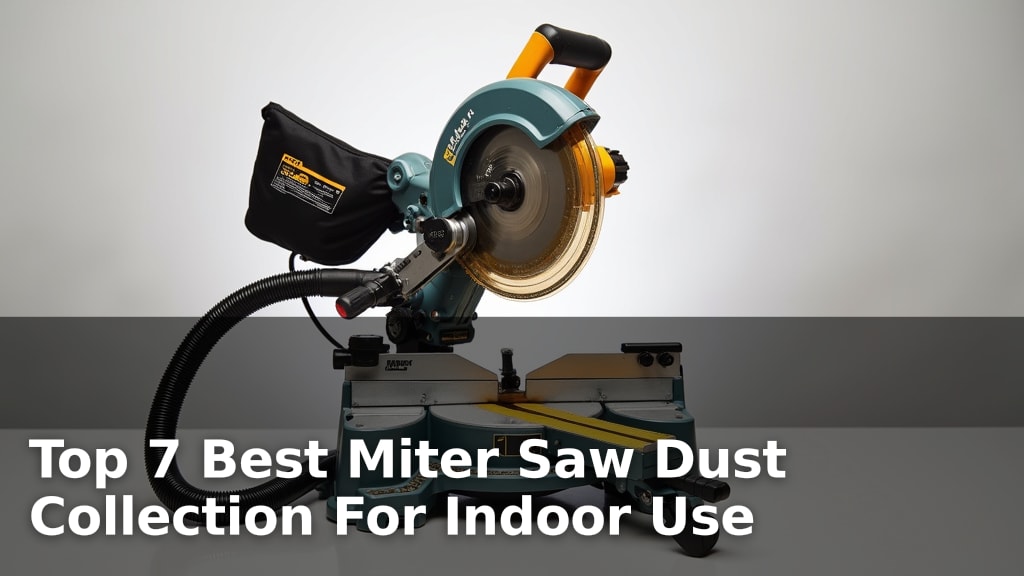
Many modern miter saws come with dust collection ports. Using these can significantly reduce the amount of dust that becomes airborne in the first place. Connecting a shop vacuum or a dedicated dust collector to this port is highly recommended.
Dust Collection Systems and Vacuums
A shop vacuum attached to your miter saw’s dust port can airborne particles right at the source. This not only makes cleanup easier but also dramatically cuts down on airborne particles. Some dedicated dust collectors are even more efficient, offering a higher volume of airflow to capture fine dust.
Even without a built-in port, you can often rig a system to capture dust. This might involve positioning a shop vac nozzle near the blade during the cut. The goal is always to capture the dust before it has a chance to spread throughout your workshop.
Keeping Your Workspace Clean
Regular cleaning of your workshop is also part of dust control. Sweeping or blowing sawdust around can just re-aerate settled dust. Using a vacuum with a HEPA filter is a much better option for cleaning up settled dust.
Keep surfaces wiped down, and try to avoid letting sawdust build up in corners or on shelves. A clean workshop is a safer workshop, and it contributes to a healthier environment for you and anyone else who might be in the area. It’s a good habit to get into for the overall health of your space.
A Quick Checklist for Miter Saw Safety
To wrap things up, here’s a quick reminder of the essential steps for protecting yourself when using your miter saw:
- Always wear an N95-rated dust mask or a suitable respirator.
- Ensure your mask fits snugly and creates a good seal.
- Utilize your miter saw’s dust collection port with a shop vacuum or dust collector.
- Keep your work area clean by vacuuming rather than sweeping.
- Consider ventilation if working in a confined space.
- Inspect your mask regularly for damage and replace it when necessary.
Taking these steps seriously will help ensure your woodworking projects are enjoyable and, more importantly, safe for your long-term health. Your lungs will thank you!
Conclusion
So, you’ve learned why protecting your lungs with a dust mask when using a miter saw isn’t just a suggestion—it’s a necessity. We’ve seen how inhaling wood dust, especially from treated lumber or MDF, can lead to serious respiratory issues, from asthma to more severe health concerns. You now know that an N95-rated disposable mask is your best bet for most projects, and a reusable respirator offers enhanced protection for frequent use.
The key takeaway is that a properly fitted mask, combined with good dust collection and workshop cleanliness, creates a safe working environment. Your next step is simple: before your next cut, ensure you have the right mask and wear it correctly. Your long-term health is worth this small effort.
Frequently Asked Questions
Can I skip the dust mask if I’m only making a few cuts?
Even a few cuts can create a significant amount of fine wood dust. Research indicates that repeated exposure, even at low levels, can still impact your respiratory health over time. It’s always best to wear your mask to protect yourself consistently.
What’s the difference between a dust mask and a surgical mask for woodworking?
Surgical masks are designed to catch larger droplets and are not effective at filtering the fine particles found in wood dust. Dust masks, especially N95-rated ones, are specifically designed to capture very small airborne particles, making them essential for woodworking safety.
How often should I replace my disposable N95 dust mask?
You should replace disposable N95 masks when they become dirty, damaged, or difficult to breathe through. If the mask looks visibly clogged with dust or the straps are stretched out, it’s time for a new one to ensure effective filtration.
My miter saw has a dust collection bag. Is that enough protection?
A dust collection bag or vacuum attachment helps capture a lot of the sawdust, but it won’t get everything. Fine particles can still become airborne. Wearing an N95 mask provides an essential secondary layer of protection for your lungs.
Can I wear glasses instead of a dust mask?
Glasses protect your eyes from flying debris but offer absolutely no protection for your lungs. Wood dust is a significant respiratory hazard, and only a proper mask designed for fine particle filtration can safeguard your respiratory system.