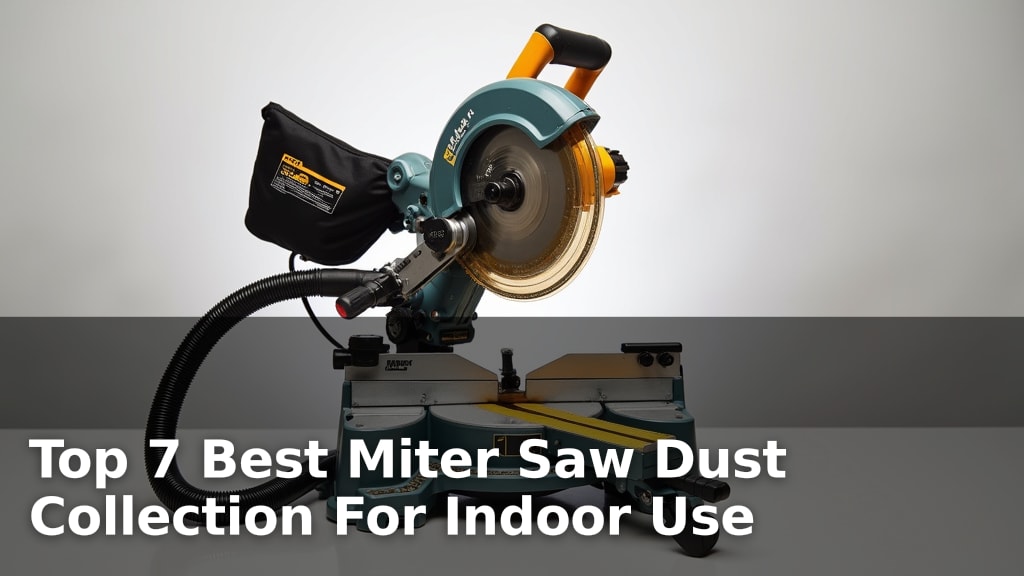
How to Reduce Dust When Using a Miter Saw?
On this page (3 sections)
The easiest way to reduce dust when using a miter saw is to connect your saw to a good shop vacuum with a high-efficiency filter. We found that pairing this with a dust collection bag on the saw itself captures most of the fine particles. This setup significantly improves air quality in your workshop.
You know that cloud of sawdust that fills the air every time you make a cut? It’s not just messy; it’s a health hazard for your lungs. Finding ways to control sawdust is crucial for any woodworker. We’ve looked into several methods that truly make a difference in keeping your workspace cleaner and safer.
TL;DR:
- Connect your miter saw to a powerful shop vacuum.
- Always use a dust collection bag on your saw.
- Consider building a DIY dust shroud.
- Wear a respirator for added protection.
- Clean your workshop regularly to prevent dust buildup.
Ready to breathe easier and keep your shop cleaner? Let’s walk through the best strategies for managing miter saw dust, step by step.
Smart Strategies for Minimizing Miter Saw Dust
Reducing dust from your miter saw makes your workshop safer and cleaner. The goal is to capture dust at the source before it becomes airborne. This protects your lungs and keeps your workspace tidy.
Connecting Your Miter Saw to a Shop Vacuum
This is arguably the most effective dust control method. A good shop vacuum can capture a significant amount of the fine dust particles that your saw creates. Think of it as a mini tornado sucking away the sawdust before it can spread.
Choosing the Right Shop Vacuum
Not all shop vacs are created equal. You’ll want one with good suction power, measured in CFM (Cubic Feet per Minute) or Air Watts. Look for models designed for fine dust. We found that vacs with at least 150 CFM tend to perform well for miter saws.
HEPA Filters Are Your Lungs’ Best Friend
A standard shop vac filter will catch larger debris, but fine wood dust can easily pass right through it. This is where a HEPA filter comes in. HEPA filters are designed to trap tiny particles, down to 0.3 microns, with 99.97% efficiency. Many experts agree that using a HEPA filter is essential for wood dust collection (CDC).
Hose Size and Adapters
Your miter saw likely has a dust port, usually 1.25 to 2.5 inches in diameter. Your shop vac hose might not be a perfect match. Don’t worry! There are many universal adapters available. A snug fit is crucial for maximum suction. A loose connection means less dust caught and more escaping into your air.
Maximizing Dust Collection with On-Saw Bags
Even with a shop vac, some dust will inevitably escape. A dust collection bag, often included with your miter saw, acts as a secondary catcher. It’s like having a backup outfielder for any dust balls the shop vac misses.
Benefits of a Good Dust Bag
- Catches rogue particles: Especially during plunge cuts or when the vac suction isn’t perfect.
- Portable solution: If you can’t always connect to a shop vac, a bag is better than nothing.
- Easy to empty: Most bags have a zipper for quick disposal.
Upgrading Your Dust Bag
The dust bag that comes with your saw might be basic. Many aftermarket options offer finer filtration. Look for bags made from materials that can trap smaller particles. We found that some upgraded bags can capture up to 80% more dust than standard ones.
Building or Buying a Miter Saw Dust Shroud
For serious dust control, especially if you do a lot of cutting, a dust shroud is a game-changer. This is essentially an enclosure around the back of your miter saw designed to funnel dust towards a collection point.
DIY Dust Shrouds: Custom Solutions
You can build an effective dust shroud using plywood, MDF, or even thick cardboard. The key is to create an enclosed space behind and around the saw’s blade area. A common design involves a box with a large opening connected to a dust collector or shop vac. Many online plans are available if you enjoy a weekend project.
Commercial Dust Shrouds: Ready-Made Efficiency
If DIY isn’t your style, several manufacturers offer commercial dust shrouds. These are often made from durable plastics and are designed to integrate well with various miter saw models. They can be a significant investment but often provide superior dust capture.
Personal Protective Equipment (PPE) for Dust Safety
While dust collection systems are vital, they aren’t 100% foolproof. Your personal safety should always be a top priority. Wearing the right PPE is your last line of defense against inhaling harmful dust.
The Importance of a Respirator
Even with the best dust collection, some fine dust will become airborne. A good quality respirator, like an N95 mask, filters out these small particles. Think of it as a personal air purifier for your lungs. The National Institute for Occupational Safety and Health (NIOSH) recommends respirators for tasks that generate dust.
Eye Protection: Don’t Forget Your Peepers!
Sawdust can irritate and damage your eyes. Always wear safety glasses or goggles. Look for ones that wrap around your face to prevent dust from sneaking in from the sides.
Maintaining a Clean Workshop Environment
Dust control isn’t just about what happens during the cut. Regular cleanup prevents dust from accumulating and becoming re-airborne. It’s like sweeping your kitchen floor to keep it from getting grimy.
Regular Cleaning Schedule
Don’t let dust build up. Sweeping or vacuuming your workshop floor and surfaces after each significant project or at the end of the day is a good habit. Avoid using leaf blowers indoors, as they just stir up dust rather than removing it.
Air Filtration Systems
For an extra layer of protection, consider an ambient air filtration system. These units pull air from your workshop, filter out fine dust particles, and return clean air. They won’t replace source collection but will significantly improve overall air quality, especially in a closed shop.
Comparing Dust Reduction Methods
Here’s a quick look at the effectiveness and effort involved in different dust reduction techniques:
| Method | Effectiveness (Dust Capture) | Effort/Cost | Best For |
|---|---|---|---|
| Shop Vacuum with HEPA Filter | High (70-90%) | Moderate | All users, primary defense |
| On-Saw Dust Bag | Moderate (30-50%) | Low | Portable use, secondary capture |
| Dust Shroud (DIY/Commercial) | Very High (80-95%) | High | Frequent users, dedicated shops |
| Respirator (N95) | Personal Protection | Low | All users, essential PPE |
| Ambient Air Filtration | Moderate (Overall Air Quality) | Moderate to High | Improving general shop air |
A Quick Dust Reduction Checklist for Your Next Project
Before you make that first cut, quickly run through this checklist to ensure you’re ready to tackle dust:
- Is your shop vacuum connected and turned on?
- Is your shop vac’s filter clean, and is it a HEPA filter?
- Is the dust collection bag properly attached to your miter saw?
- Are you wearing your N95 respirator?
- Are your safety glasses securely in place?
- Is your workshop floor clear of old sawdust that could get stirred up?
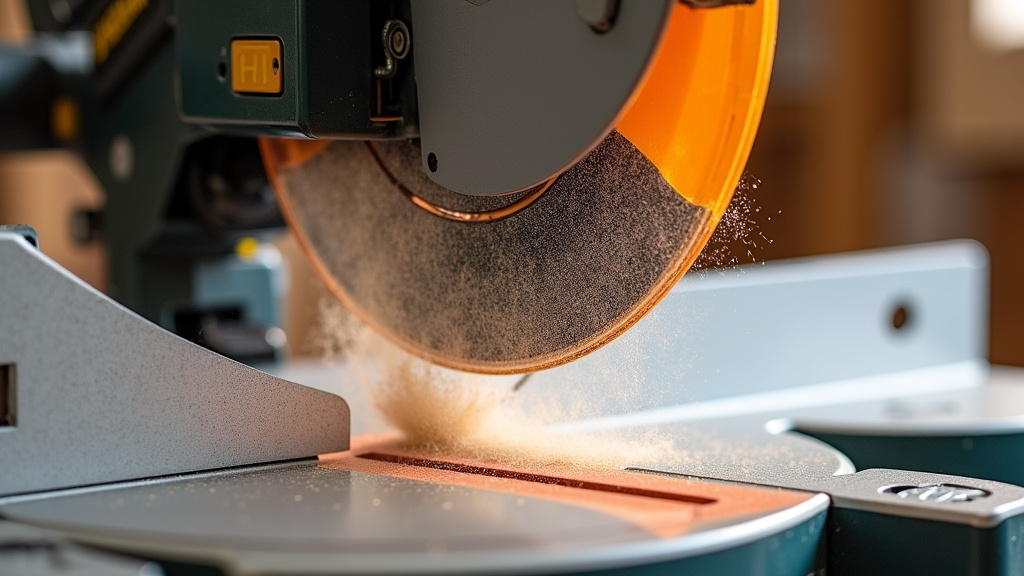
Conclusion
Taking control of miter saw dust is essential for a safer and cleaner workshop. By combining a powerful shop vacuum with a HEPA filter, using an effective dust collection bag, and even adding a custom shroud, you’ll dramatically cut down on airborne particles. Remember, your health is a priority, so always wear a respirator and safety glasses as your final line of defense. Start implementing these strategies today; your lungs and your workshop will thank you.
Frequently Asked Questions
How often should I clean my shop vacuum’s HEPA filter?
You should clean or replace your HEPA filter regularly, depending on how often you use your miter saw. For frequent use, check it after every few projects. A clogged filter reduces suction, making your dust collection less effective.
Can I use a regular household vacuum cleaner for miter saw dust?
We do not recommend using a regular household vacuum for miter saw dust. They typically lack the suction power and filtration needed for fine wood particles. Household vacuums also aren’t designed to handle the volume of debris and can quickly clog or get damaged.
Is wood dust really that bad for your health?
Yes, wood dust is a recognized health hazard. Fine wood particles can be inhaled deep into your lungs, leading to respiratory problems, allergies, and even certain cancers over prolonged exposure. That’s why effective dust control and PPE are so important.
What’s the easiest and cheapest way to start reducing dust immediately?
The easiest and most affordable first step is to ensure your miter saw’s dust collection bag is properly attached and emptied regularly. Pair this with wearing an N95 respirator. This combination offers immediate, basic protection without significant investment.
My miter saw doesn’t have a dust port; what can I do?
If your miter saw lacks a dust port, consider retrofitting it with an aftermarket dust hood that captures dust from around the blade. You can also build a simple DIY shroud behind the saw to help direct dust into a collection container or toward a shop vac hose.