Is A Sliding Miter Saw Better?
A sliding miter saw offers a significant advantage in cutting wider boards that a standard miter saw cannot handle, making it a better choice for projects requiring cuts on larger material.
Its ability to slide along a rail system expands its cutting capacity, providing greater versatility and precision for many woodworking and construction tasks.
Here’s a quick overview of whether a sliding miter saw is the right choice for you:
- Sliding miter saws excel at cutting wider lumber, which fixed saws cannot do.
- They offer increased versatility for a range of projects, from decking to trim work.
- Expect to invest more in a sliding model, both in cost and required workshop space.
- If you work with large materials often, the added investment is often worthwhile.
- For smaller, repetitive cuts, a traditional non-sliding saw might suit your needs better.
Is A Sliding Miter Saw Better?
Yes, a sliding miter saw is often better if your projects involve cutting wide boards or require greater versatility and precision for various angles and materials.
Its sliding mechanism significantly expands the cross-cut capacity beyond what a traditional miter saw can offer.
Thinking about upgrading your workshop or just starting out with a miter saw? You might be wondering if a sliding miter saw is really worth the hype.
It’s a common question, and one we hear often from fellow DIYers and seasoned pros. Let’s break down what makes these saws tick and if they’re the right fit for your projects.
We’re here to give you the honest facts, so you can make an informed decision for your toolkit and your craft.
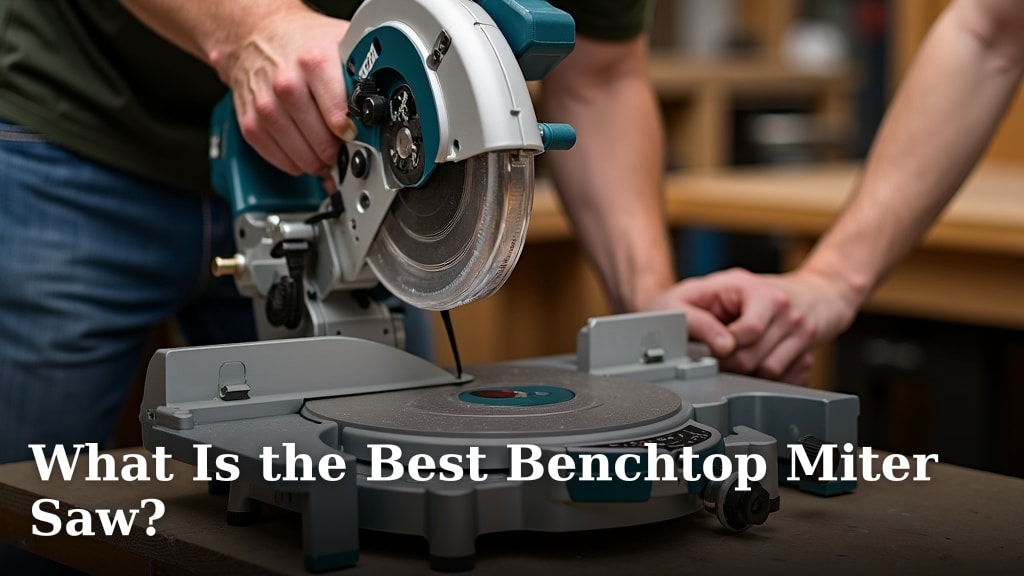
What Exactly Is a Sliding Miter Saw?
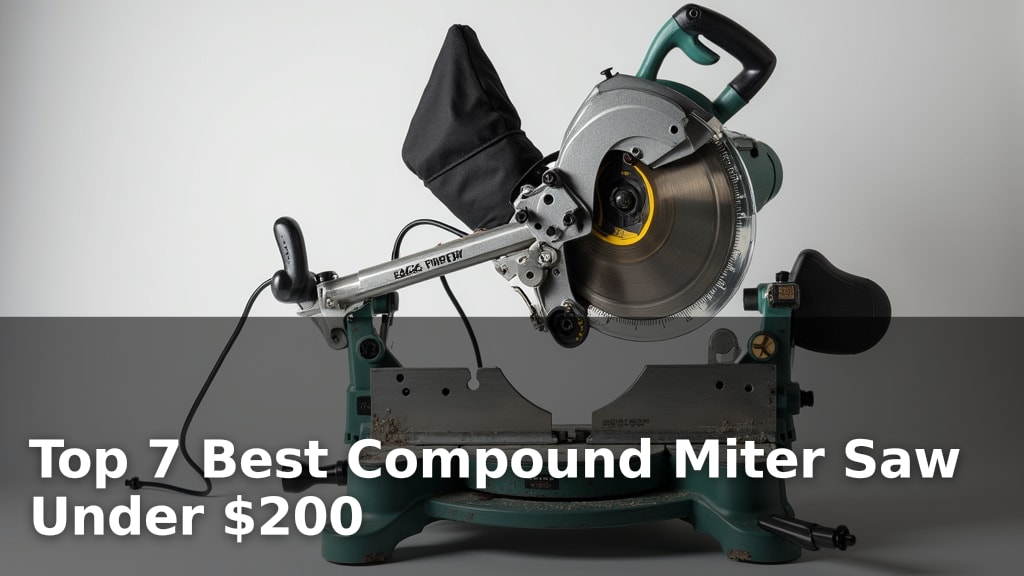
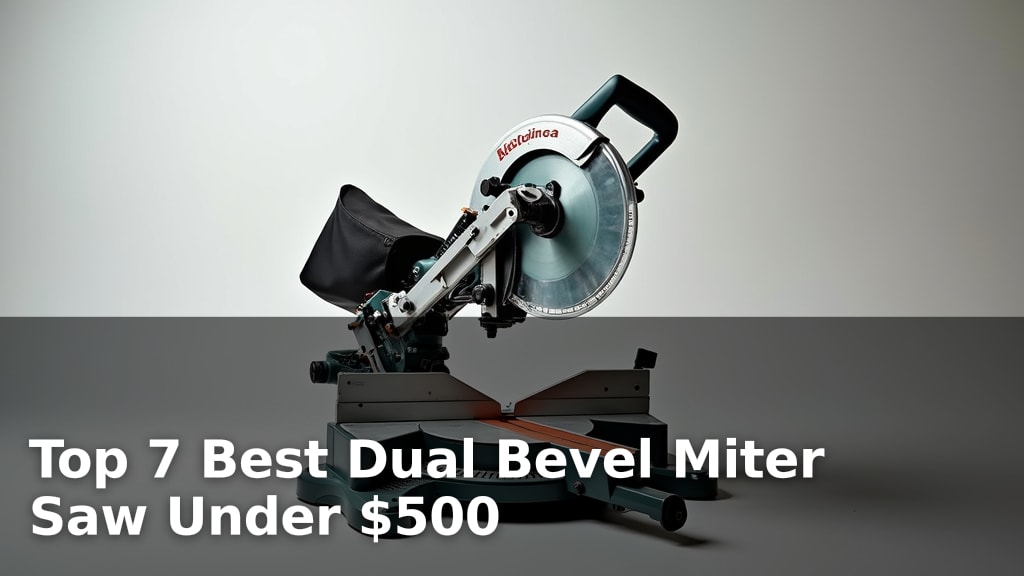
Imagine a regular miter saw, but with an added trick up its sleeve. A sliding miter saw has a blade that can move forward and backward on rails.
This sliding action lets the blade travel across a much wider piece of wood, something a standard, non-sliding miter saw just can’t do.
It’s like extending your arm to reach across a table versus just pointing your finger. The reach is the main difference you’ll notice.
The “Better” Question: It Depends
Is a sliding miter saw truly “better” across the board? Not always, but it is often superior for specific tasks. It’s all about matching the tool to your unique needs.
For some, the added features are a game-changer. For others, they might be overkill. Let’s look at the real advantages and disadvantages.
Key Advantages You’ll Love
There are many reasons why people love their sliding miter saws. They bring a lot of capability to your cutting tasks.
Wider Cuts Are a Breeze
This is the big one. Ever tried cutting a 12-inch shelf board with a standard miter saw? It’s like trying to fit a square peg in a round hole, isn’t it?
A sliding miter saw handles these wider materials with ease. You can cut across large boards in a single pass, which saves you time and ensures cleaner results.
Research confirms that increased cross-cut capacity is the primary benefit (Woodworking Journal).
Unmatched Versatility for Any Project
From cutting wide deck boards to delicate crown molding, a sliding miter saw offers a range of options. Its ability to handle diverse materials and sizes makes it incredibly versatile.
You can tackle everything from rough framing lumber to fine trim work with just one saw. This reduces the need for multiple tools in your shop.
Smooth, Accurate Cuts Every Time
The sliding mechanism, when well-maintained, contributes to very smooth cuts. The blade glides through the material, helping to prevent binding and tear-out.
This often results in highly accurate and clean cuts, which is particularly important for finish carpentry where precision is paramount.
Potential Downsides to Consider
While sliding miter saws offer great benefits, they also come with a few considerations you should know about before buying.
Space Needed for the Slide
Those handy rails need room to slide. A sliding miter saw requires significantly more depth behind the saw than a fixed model.
If your workshop is small or you have limited bench space, this extra footprint can be a real challenge. You need to measure your available space carefully.
A Higher Investment
Generally, sliding miter saws cost more than their non-sliding counterparts. If you are comparing retailers, our guide on where to buy a miter saw can help you plan your search. The extra engineering for the rails and mechanism adds to the price.
You’re paying for increased capability, so be prepared for a larger initial outlay. Consider your budget and how often you’ll use its full range of features.
Heavier and Less Portable
The added components make sliding saws heavier. If you need to move your saw around a job site frequently, this extra weight can be a burden.
Many experts say that portability is a trade-off with these models. Think about where you’ll be using your saw most often.
Sliding vs. Non-Sliding: A Side-by-Side Look
To help clarify the differences, let’s look at a quick comparison between the two types of miter saws.
| Feature | Sliding Miter Saw | Non-Sliding Miter Saw |
|---|---|---|
| Max Cut Width | Much wider (e.g., 12-16 inches) | Limited (e.g., 6-8 inches) |
| Precision | High, especially on wide stock | High on narrower stock |
| Versatility | High (wide boards, large trim) | Medium (narrower boards, basic trim) |
| Footprint | Large (needs space behind) | Compact |
| Cost | Higher | Lower |
| Portability | Lower (heavier) | Higher (lighter) |
Is a Sliding Miter Saw Right for Your Projects?
You might find a sliding miter saw perfect if you often work on projects like decking, installing wide baseboards, or building larger furniture pieces.
If your tasks demand accuracy over long cuts or across broad materials, this saw will quickly become your best friend.
Many professional carpenters rely on sliding miter saws for their versatility and precision on various job sites.
When a Non-Sliding Miter Saw Shines
Don’t dismiss the traditional miter saw too quickly! If you mostly make repetitive cross-cuts on narrower stock, like small picture frames or basic trim, a non-sliding saw is fantastic.
It’s generally more compact, lighter, and more affordable. For tasks where you don’t need extreme width capacity, it’s often the more practical and cost-effective choice.
Making Your Choice: A Quick Decision Checklist
Use these questions to help you decide if a sliding miter saw is the best option for you:
- Do you frequently cut boards wider than 8 inches?
- Is your workshop or job site space large enough to accommodate the saw’s depth?
- Are you working with diverse materials, from rough lumber to fine trim?
- Is your budget flexible enough for a higher-priced tool?
- Do your projects demand consistent precision on wider cuts?
- Is having one versatile saw more important than maximum portability?
Keeping Your Sliding Saw in Top Shape
To ensure your sliding miter saw remains accurate and smooth, a little maintenance goes a long way. Always keep the rails clean and lubricated.
Regularly check the blade for sharpness and alignment. Dust buildup can affect performance, so clear it out after use (Tool Care Guide).
A well-maintained saw performs better and lasts longer, protecting your investment.
Always Prioritize Miter Saw Safety
Any power tool demands respect, and a miter saw is no different. Always wear safety glasses and hearing protection.
Keep your hands a safe distance from the blade and ensure your workpiece is securely clamped. Never rush a cut.
We found that many injuries occur due to lack of focus or improper technique (Consumer Product Safety Commission).
Dispelling Myths About Sliding Saws
Some people think sliding saws are only for professionals, but that’s not true. Many DIYers find them incredibly useful for home projects.
Another myth is that they are inherently less accurate. With proper setup and a quality blade, a sliding saw can be just as precise, if not more so, for wider material.
Conclusion
So, is a sliding miter saw better? For many, the answer is a resounding yes. If your projects involve cutting wide materials, demand high versatility, and you have the budget and space, a sliding miter saw is an excellent investment.
It offers unmatched capacity and precision for a wide array of tasks. However, if your work is primarily with narrower stock, a traditional miter saw might serve you just as well, with less cost and a smaller footprint.
Ultimately, the “better” choice depends on your specific needs, your typical projects, and your workshop environment. Choose the tool that truly fits your goals.
Does a sliding miter saw reduce cut quality?
No, a sliding miter saw does not inherently reduce cut quality. In fact, a good quality sliding saw with a sharp blade can produce very smooth and accurate cuts, especially on wide materials. Any perceived reduction in quality is usually due to a dull blade, improper technique, or a saw needing adjustment.
Can a sliding miter saw replace a table saw?
A sliding miter saw can handle many cross-cuts and miter cuts that a table saw does, but it cannot fully replace a table saw. A table saw excels at ripping long boards to width and making dados or rabbets, tasks a miter saw is not designed for. They are complementary tools, each with its own strengths.
What size sliding miter saw is best for general use?
For most general uses and DIY projects, a 10-inch sliding miter saw is an excellent choice. It offers a good balance of cutting capacity, power, and often a more manageable size and weight compared to 12-inch models. A 12-inch saw is ideal if you frequently cut very large dimensional lumber.
Do all sliding miter saws have laser guides?
No, not all sliding miter saws come equipped with laser guides. While many modern models do include them for easier cut line visibility, it’s an optional feature. Some saws use shadow lines (generated by an LED light) instead, which many users find more accurate than lasers.
How much maintenance does a sliding miter saw need?
A sliding miter saw needs regular, but simple, maintenance. You should keep the sliding rails clean and periodically lubricated, especially if you work in dusty environments. Regularly check the blade for sharpness and ensure all fasteners are tight. Cleaning dust from the motor vents is also important for its longevity.